
Composite bonding
Composite bonding.
Tooth-colored composite shaped and polished by hand to repair small chips, soften edges, and close minor gaps: a quieter, more conservative alternative to porcelain.
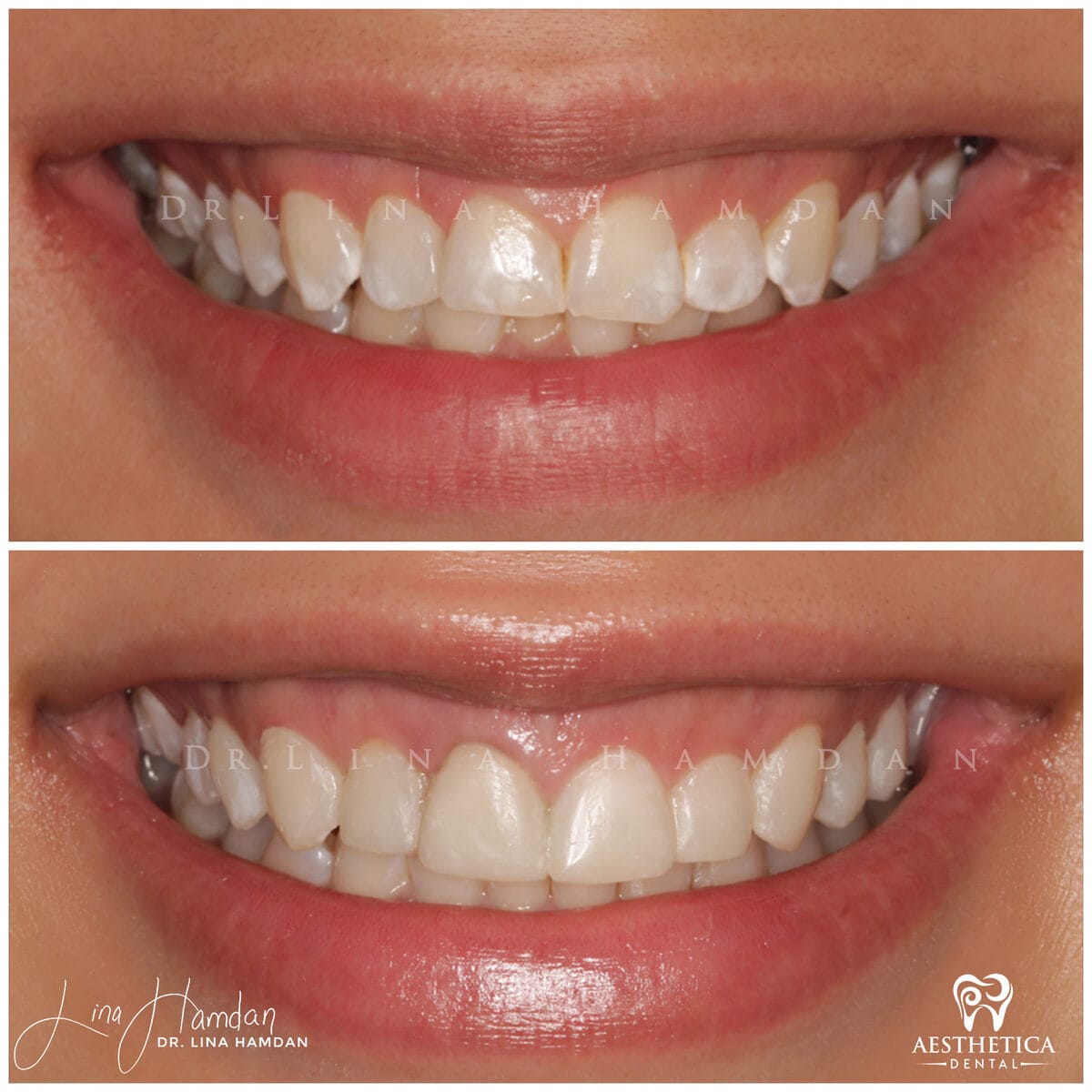
Why bonding
Composite bonding is the right answer when the cosmetic question is small and specific: a chipped corner, a thin gap between two front teeth, an edge that has worn unevenly with time. The work is conservative: a small amount of composite is sculpted directly onto the tooth, light-cured in place, then polished until it reads as part of the tooth itself.
Bonding is not a substitute for porcelain veneers. It is a quieter intervention, suited to cases where one or two teeth need a small correction rather than a full re-design.
What to expect
Treatment is typically a single in-office appointment. Dr. Lina selects a composite shade matched to your tooth, lightly prepares the surface, and applies the material in thin layers until the desired shape is achieved. Each layer is light-cured and the final result is shaped and polished by hand.
The work is unhurried. Edge contour, surface texture, and the way light catches the finished area all matter: these are the details that separate competent bonding from invisible bonding.
When bonding is a good fit
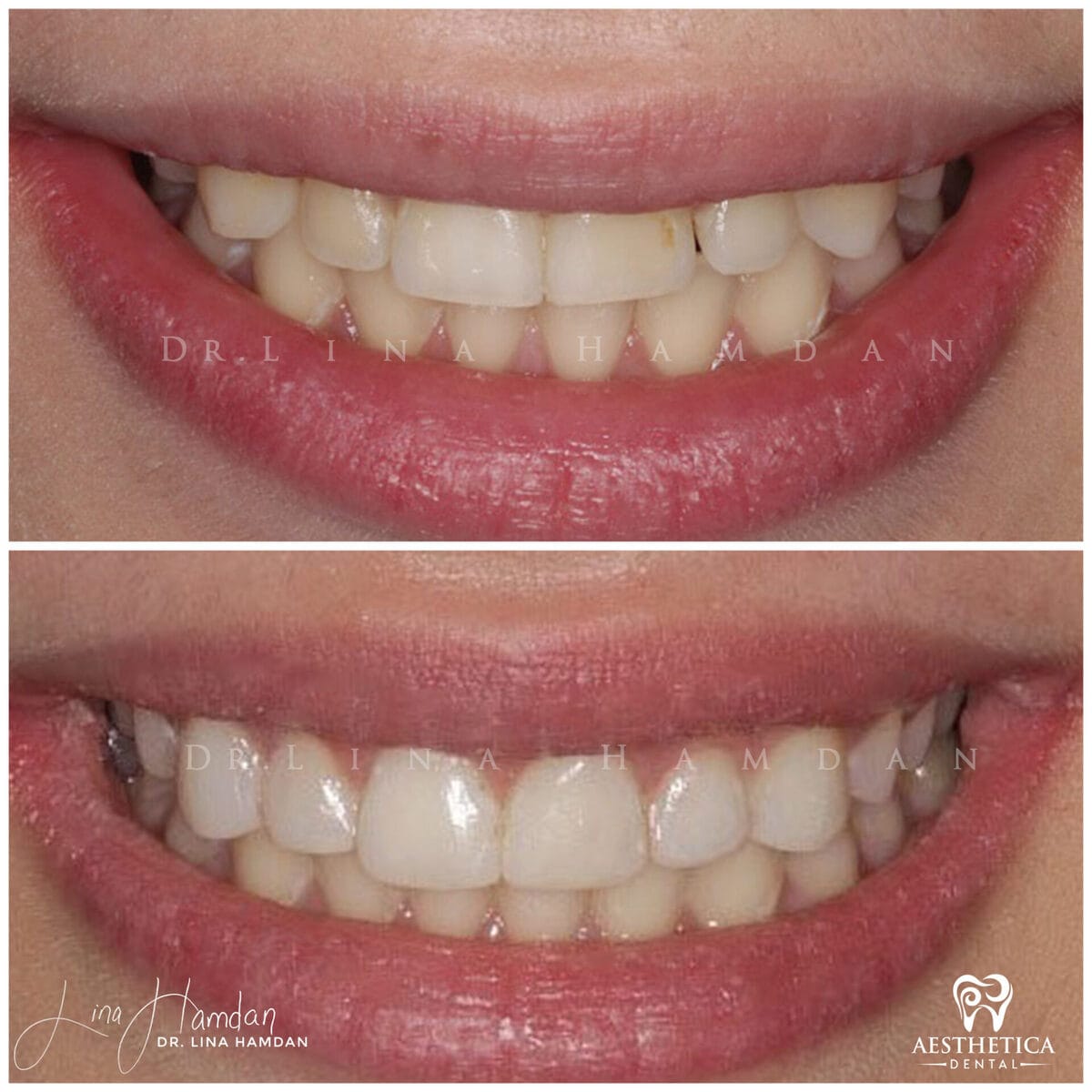
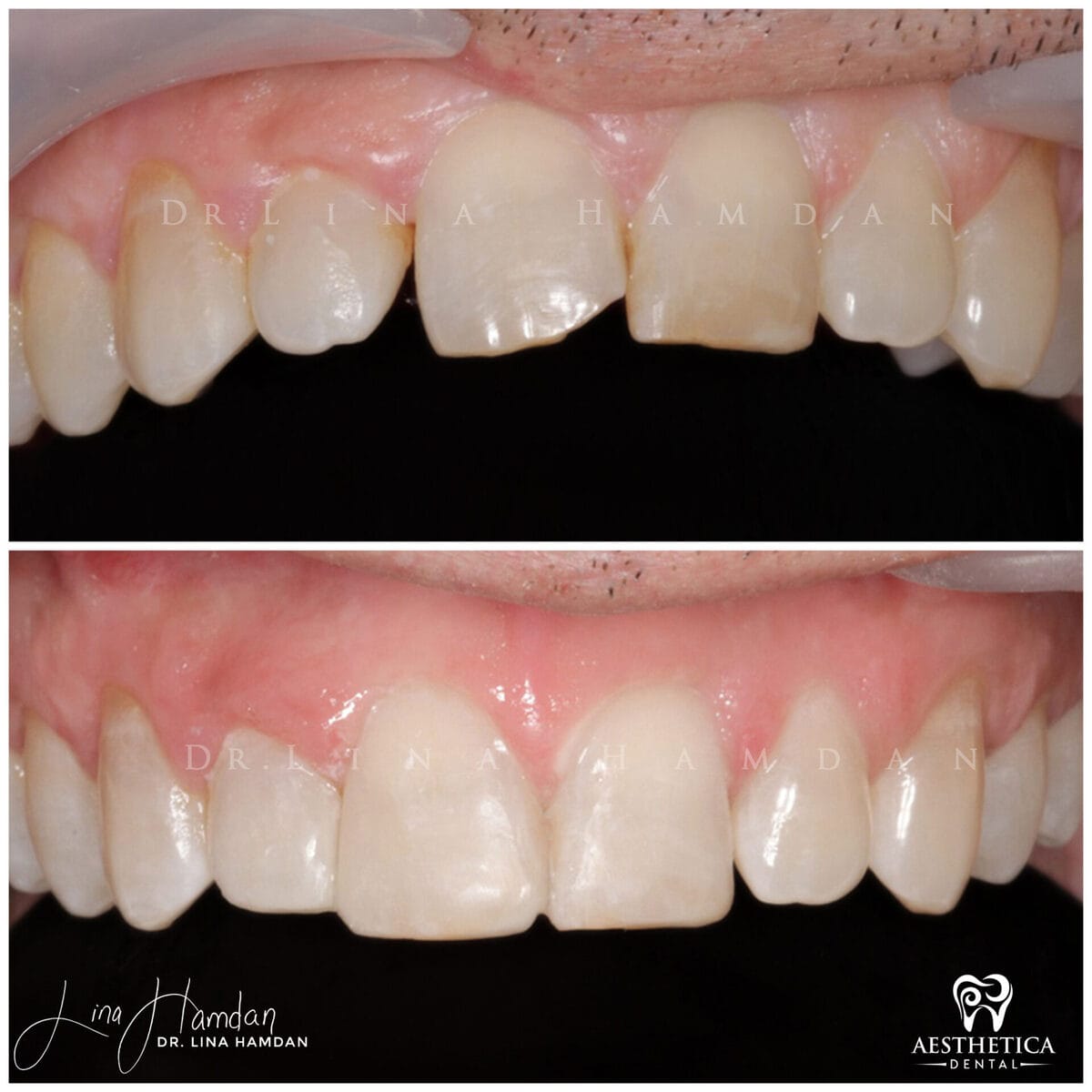
Bonding is appropriate for small chips, minor gaps, short or uneven edges, and isolated discoloration that does not respond to whitening. It is not appropriate for full-coverage cosmetic work, cases involving significant tooth structure loss, or patients with bite issues that put excessive force on the front teeth.
For the right case, bonding offers a lot: a conservative result, completed in one visit, at a fraction of the investment of porcelain.
Recent results
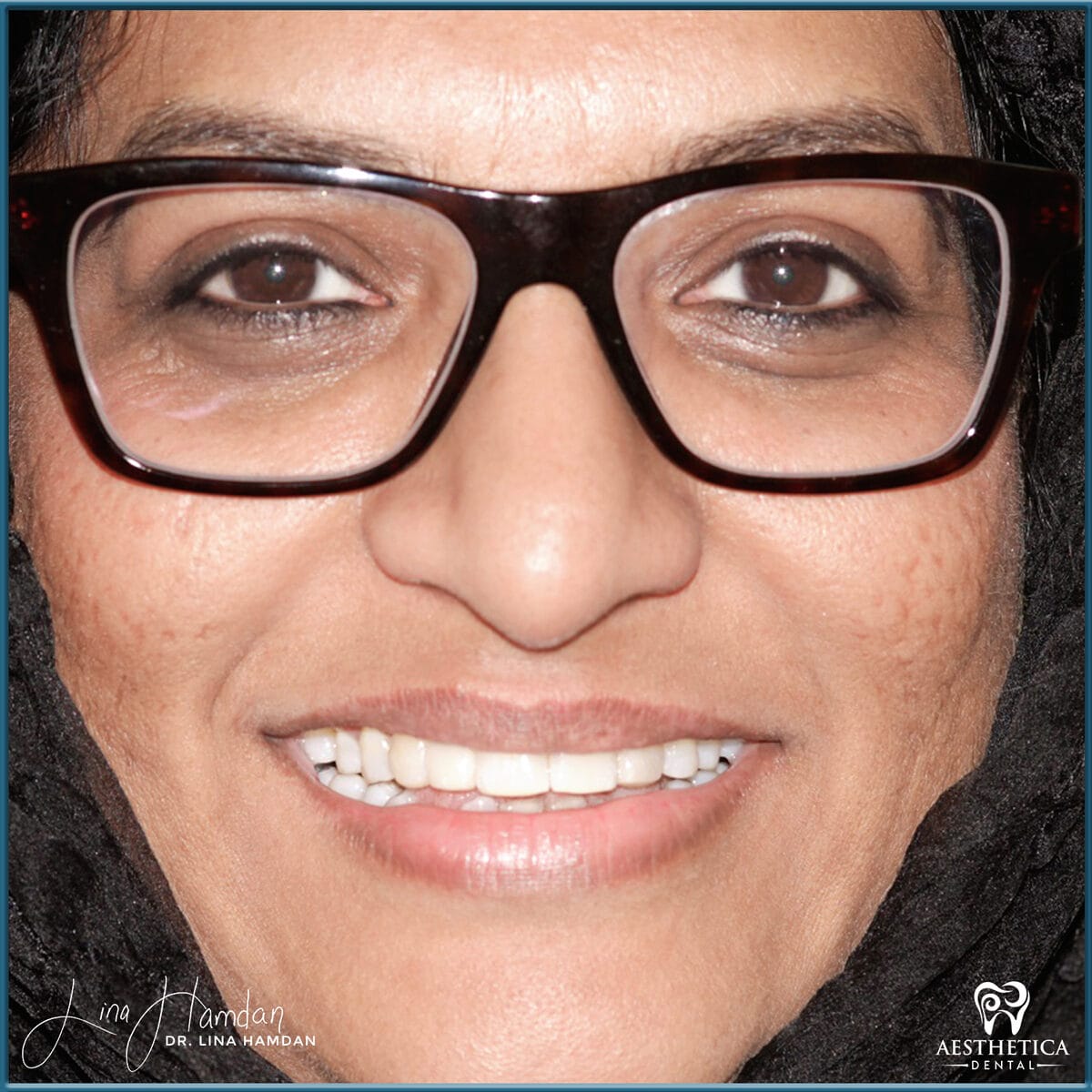
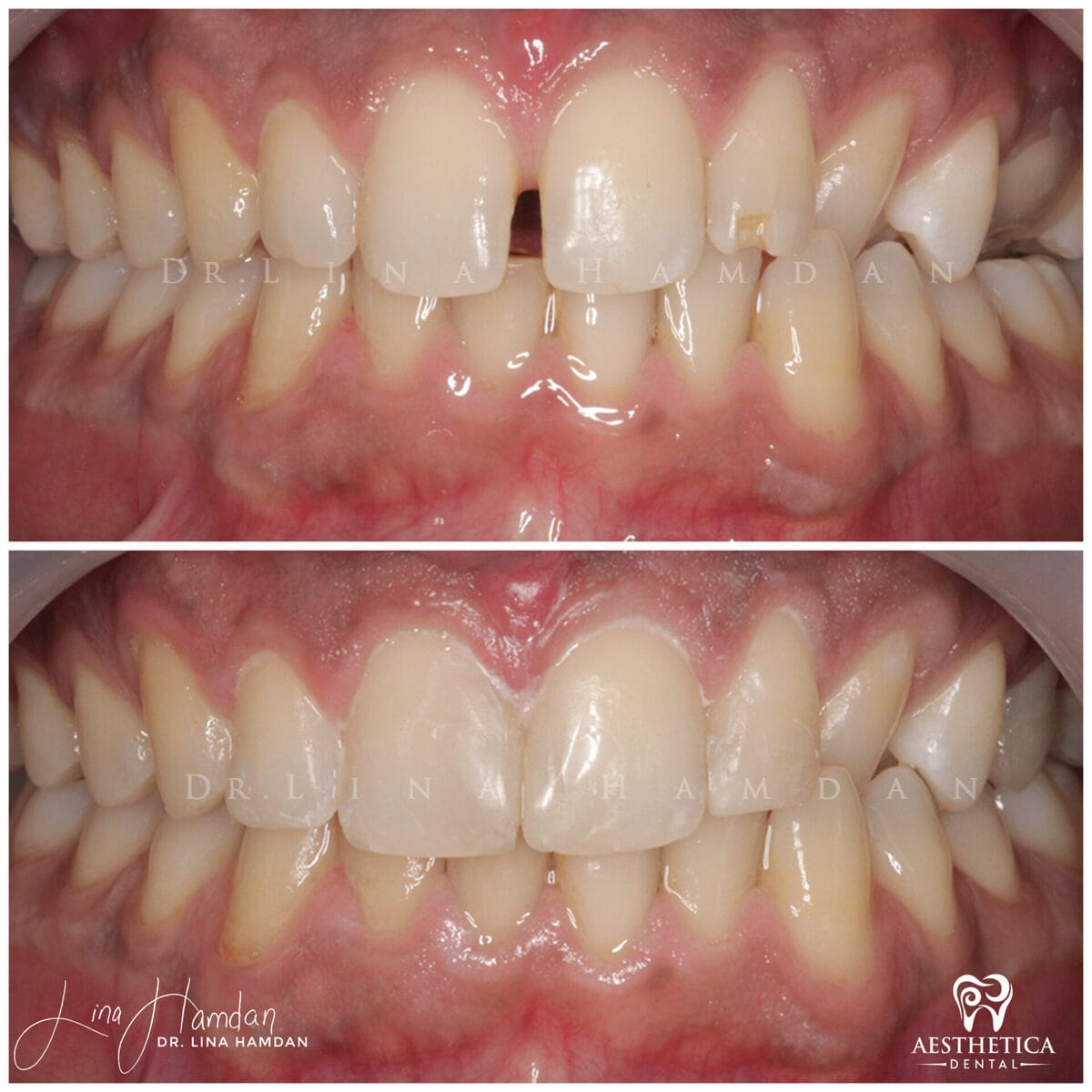
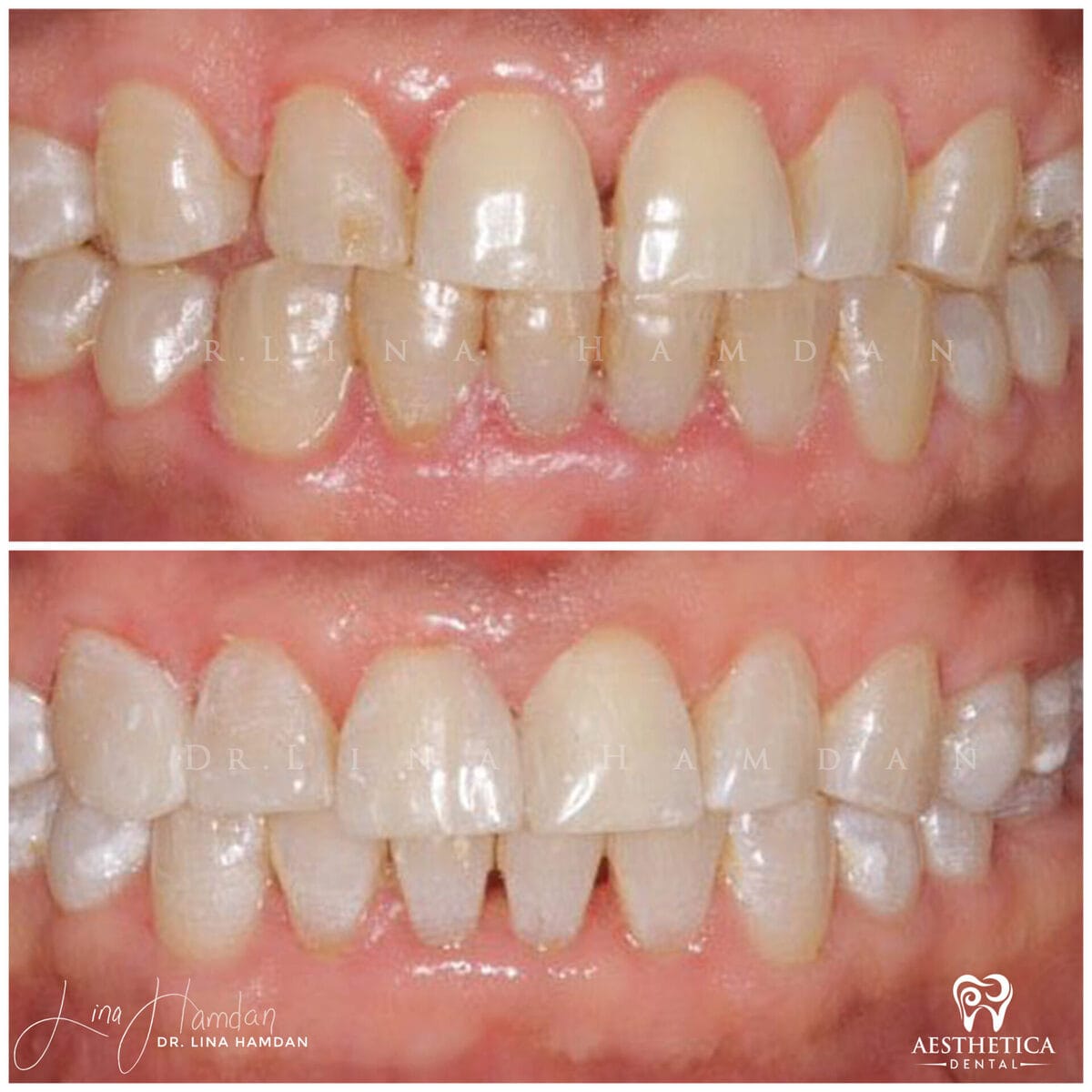
Cases from the practice.
Real before-and-after photos from patients in Dr. Hamdan's care.









Questions
Frequently asked.
How long does bonding last?
Composite bonding generally lasts several years before it needs refinishing or replacement. Longevity depends on bite, the location of the bonded area, and habits like coffee, wine, or grinding.
How is bonding different from veneers?
Bonding uses a layered tooth-colored composite shaped at the chair; veneers are hand-crafted in porcelain at a laboratory. Bonding is more conservative and more affordable; veneers are more durable and more luminous over time.
Does bonding require anesthesia?
Most bonding cases involve little or no enamel removal, and many appointments are completed without anesthesia. Dr. Lina decides at consultation based on the specific case.
Related services
Also explore
- [PHOTO_SERVICE_VENEERS_PLACEHOLDER]
Porcelain veneers
Considered porcelain veneers.
- [PHOTO_SERVICE_WHITENING_PLACEHOLDER]
Teeth whitening
Teeth whitening.